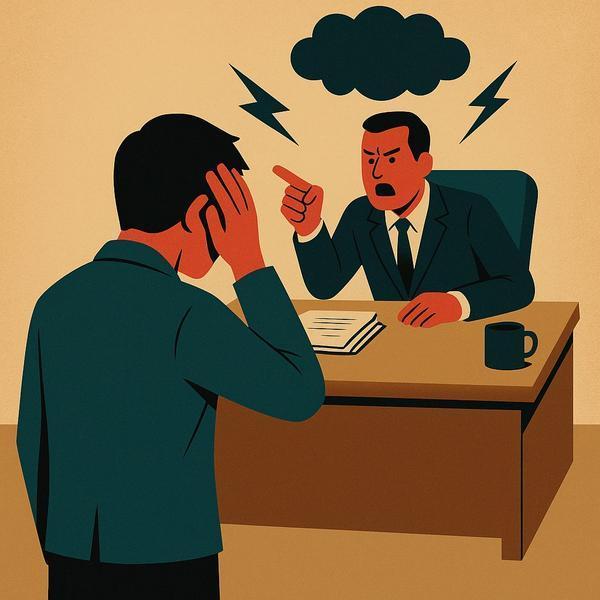
Dealing with a difficult manager is one of the most common challenges in the workplace. This topic has been widely discussed in the fields of organizational psychology and behavioral management. Research shows that understanding the psychological motives behind a manager’s behavior, combined with strategic communication techniques, can transform tension into a more stable and productive professional relationship.
1. Understand Leadership Personality Types (Based on the Big Five Model)
Studies by McCrae and Costa (1999) on the Big Five personality traits suggest that leadership behavior is shaped by personality characteristics. For example:
- The neurotic manager tends to be anxious and impulsive, and benefits from a calm and composed employee.
- The open manager (Openness) values creativity and new ideas, while those low in openness prefer routine and strict adherence to rules.
Identifying your manager’s personality type helps you adapt your communication and interaction style more effectively.
2. Apply Emotional Intelligence (EI)
Research by Daniel Goleman (1995) highlights emotional intelligence as the most crucial factor in professional success and managing difficult personalities.
Emotional intelligence is composed of four core skills:
- Self-awareness: Understanding your emotions when dealing with your manager.
- Self-management: Controlling your reactions during stressful or provoking situations.
- Social awareness: Recognizing your manager’s emotions and underlying motives.
- Relationship management: Using empathy and tact to build professional trust.
By practicing emotional intelligence, you reduce the likelihood of conflict and increase your chances of earning your manager’s respect.
3. Use Nonviolent Communication (NVC)
Marshall Rosenberg developed the concept of Nonviolent Communication, which has proven effective in resolving workplace conflicts.
This approach is based on four steps:
- Observation without judgment: Describe the behavior, not the person (e.g., “I’ve noticed the deadlines have changed several times”).
- Identify the feeling: “I feel confused by the sudden changes.”
- Clarify the need: “I need more clarity to perform my work accurately.”
- Make a specific request: “Could we set a fixed schedule for upcoming submissions?”
This method reduces psychological resistance and increases the likelihood of a positive response from your manager.
4. Use Cognitive Coping Strategies
Research by Lazarus & Folkman (1984) recommends using cognitive reappraisal to manage stress.
Instead of thinking, “My manager is deliberately making things hard for me,” try reframing it as, “My manager is under pressure and trying to maintain control.”
This mental shift lowers emotional stress and helps you respond more rationally.
5. Maintain Psychological Boundaries for Emotional Balance
A study published in the Journal of Occupational Health Psychology (2019) found that setting clear psychological boundaries with difficult managers protects employees from burnout.
- Avoid unnecessary arguments.
- Don’t take on excessive emotional labor (such as constantly trying to please them).
- Maintain a healthy personal life outside of work as an emotional outlet.
6. Seek Organizational Support
Research indicates that having an organizational support system (such as HR or trusted colleagues) significantly reduces the impact of toxic managerial behavior.
A Harvard Business Review (2020) article also recommends documenting inappropriate incidents professionally to ensure workplace protection.
Scientific Insight:
Dealing with a difficult manager is not just about patience — it’s a practical application of behavioral and emotional psychology.
Understanding, emotional intelligence, and mindful communication are all evidence-based tools that can turn a challenging work environment into a meaningful opportunity for personal and professional growth.